The Guide Issue 01
Perfume Oil vs Spray: Differences and How to Choose
Perfume oil vs spray comes down to application, scent in the air, and wear on your skin. Choose the experience you want, rather than assuming one format lasts longer.
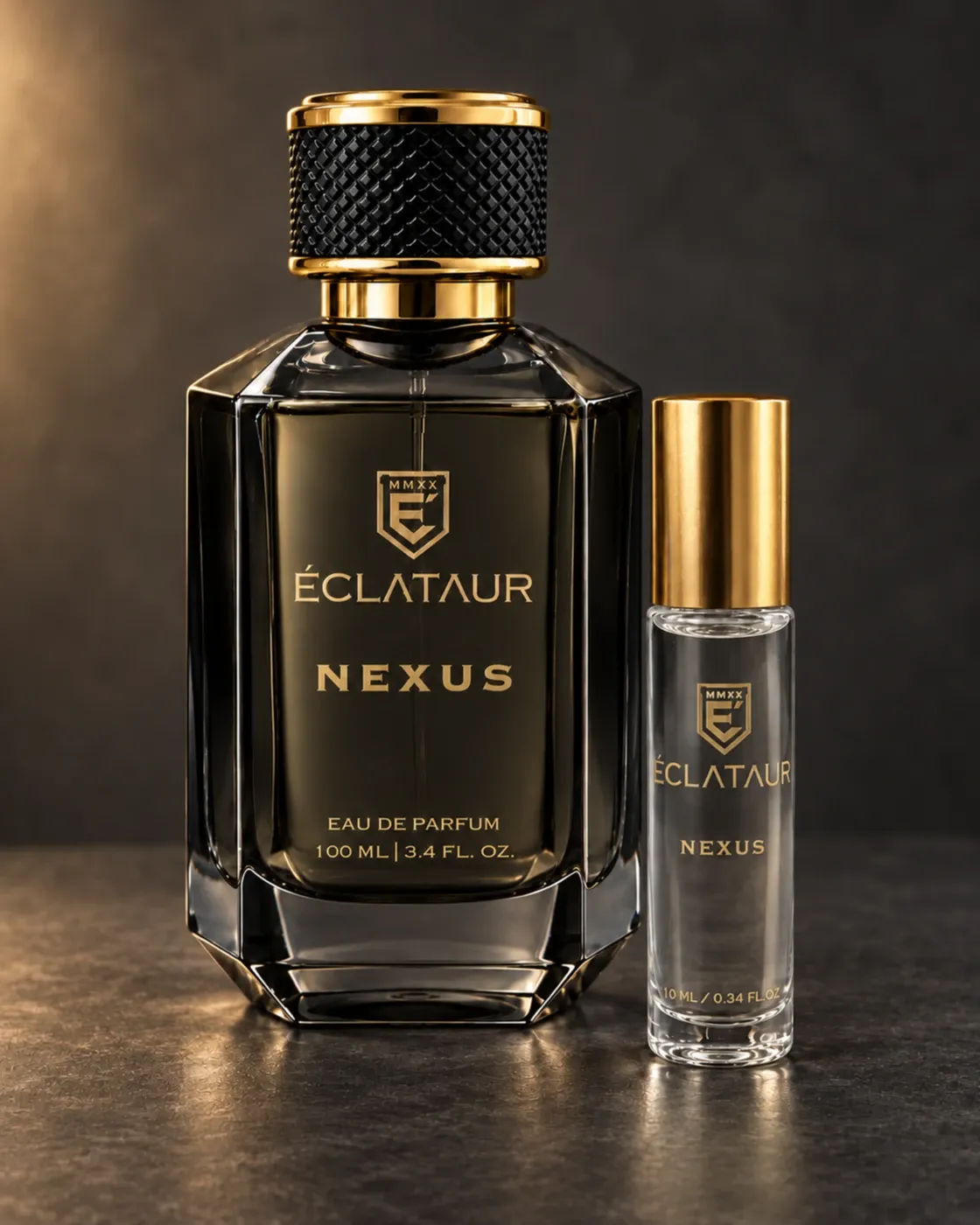
Perfume oil vs spray comes down to application, scent in the air, and wear on your skin. A roll-on applies fragrance directly to a small area; a spray disperses a mist. Compare how far each scent travels and how it wears on you. Format alone does not guarantee longer wear, and you do not need to own both to find a fragrance you enjoy.
For precise application without a mist, start by considering a roll-on. For a misted application and a potentially broader presence, compare a spray. If longevity is your priority, test the specific fragrance rather than choosing by carrier alone. Selected ÉCLATAUR fragrances are offered in both formats; check each product page for the available options.
What Is the Difference Between Perfume Oil vs Spray?
In this guide, perfume oil means a fragrance in an oil carrier, applied with a roll-on, and spray means an alcohol-based perfume applied with an atomizer. These are common combinations, not universal definitions: a spray describes an applicator, and alcohol-free sprays also exist.
The carrier, fragrance composition and amount applied all shape the experience. Here is what to compare before choosing a bottle.
Act I: Alcohol Takes Flight
An alcohol-based spray delivers fragrance as a mist. Its carrier evaporates after application, and the opening can feel more expansive than a directly applied oil. How noticeable it becomes still depends on the composition and the amount you use. An atomizer is a way to apply fragrance, not a promise that every spray will fill a room.
Act II: Oil Settles In
A perfume oil carries fragrance in an oil base and, in a roll-on, applies it directly to skin. This makes it convenient to place a small amount where you want it. The carrier changes the feel and presentation, but does not establish a universal wear time. Compare the finished perfume rather than assuming oil must last longer.
Act III: Same Accord, Two Voices
When a fragrance is offered in both formats, use its spray and roll-on as a starting point for comparison. The same scent direction can present differently in another carrier. Try each on a separate day and notice the opening, the later scent and the application you prefer. Check availability rather than assuming every fragrance comes in both.
The Two Formats, Side by Side
Use the same questions for both formats: how do you apply it, how noticeable is it around you, how convenient is the bottle, and how does it wear? These are starting points for a comparison, not fixed performance scores.
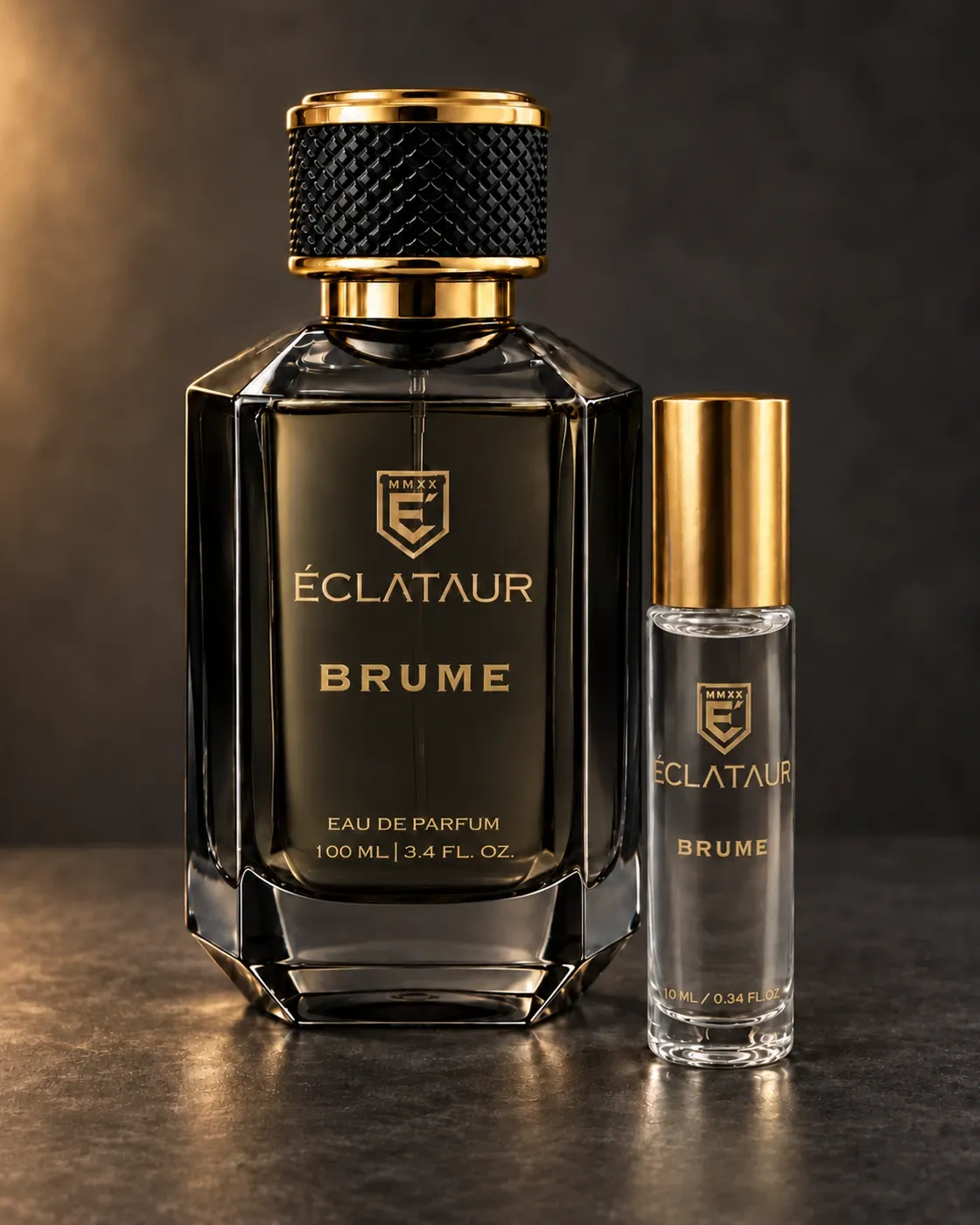
ÉCLATAUR Eau de Parfum Spray
Application: an atomized mist.
Projection: compare the opening and the later scent around you.
Portability: check the bottle size and closure.
Longevity: judge the specific fragrance during a wear test, not by the spray format alone.
ÉCLATAUR Roll-on Perfume Oil
Application: direct contact with a rolling applicator.
Projection: start with a small application and assess how closely it wears.
Portability: a compact option for precise reapplication.
Longevity: compare the finished fragrance; an oil carrier does not guarantee longer wear.
Perfume Oil vs Spray: Projection, Sillage, and Skin Contact
Projection, sillage, skin feel and longevity describe different parts of wearing a fragrance. A scent can remain noticeable close to your wrist without leaving a strong trail. Compare each quality separately instead of treating them all as strength.
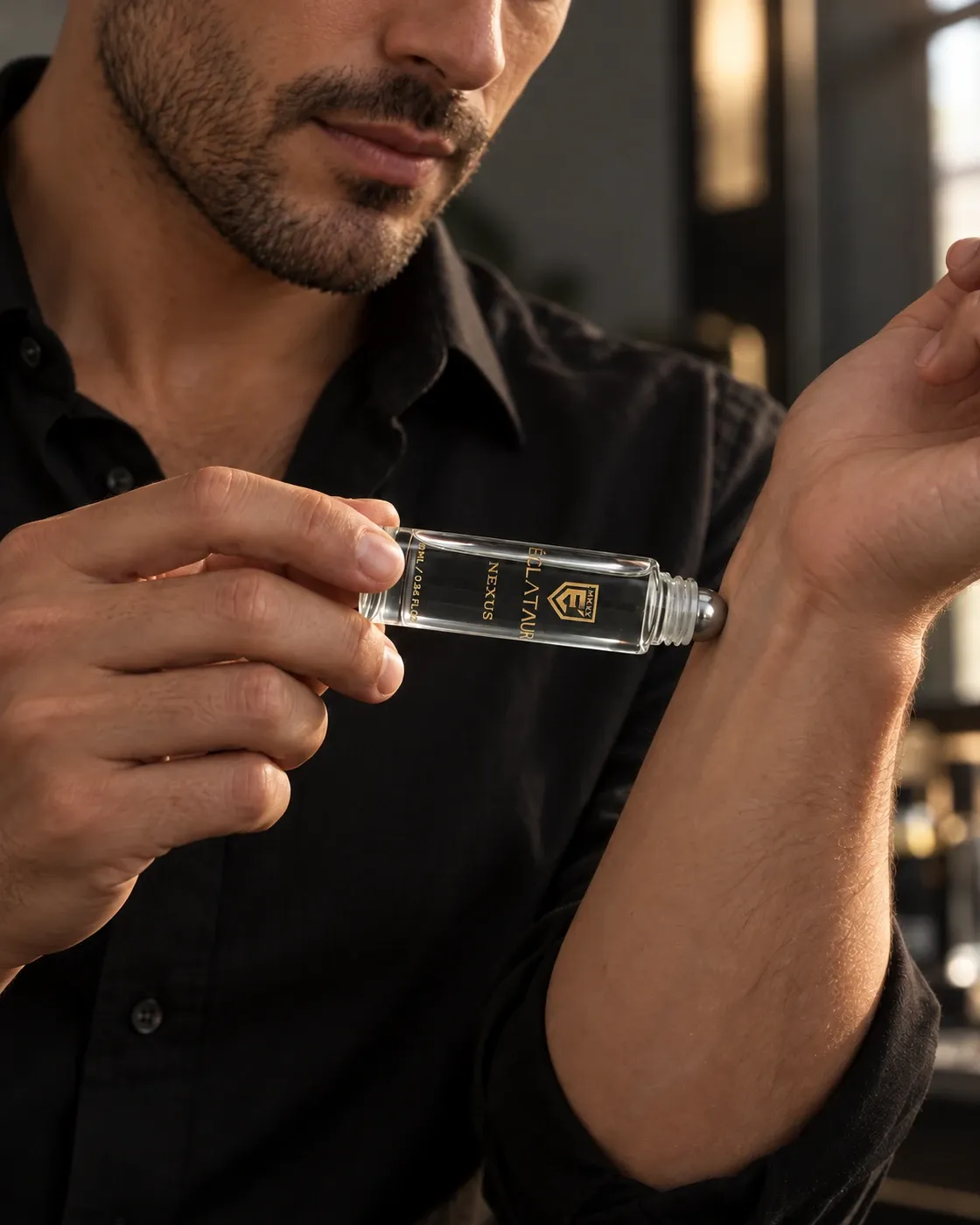
Projection
How far a scent is noticeable from the wearer. A spray may give a broader initial presence, while a small roll-on application may be more discreet. Neither outcome is guaranteed by the format. Compare the actual fragrance at the amount you would normally wear, and consider the people sharing your space.
Sillage
The scent trail noticeable as you move. It depends on the fragrance, application and surroundings, not just whether the bottle has an atomizer. Do not assume a roll-on leaves no trail or that every spray leaves a strong one. A close-to-skin scent and a noticeable trail are different preferences, not measures of quality.
Skin Contact
A roll-on puts liquid directly onto a chosen area; an atomizer distributes a mist. Notice how the product feels after application and whether you enjoy using it. An oil base is not a guarantee of comfort for sensitive skin, and the absence of alcohol does not make a fragranced product free of potential allergens.
Longevity
How long the fragrance remains noticeable. Composition, concentration, amount applied, skin and conditions can all affect wear. Neither oil nor spray wins every comparison, and a higher concentration does not by itself prove a longer wear time. Compare specific products on separate days and distinguish a quiet dry-down from a scent that has disappeared.
For a useful comparison, wear each format on a separate day during a similar routine. Follow its application directions and note the amount you used; one spray and one roll are not necessarily equal doses. Check the opening, then return to it later in the day. Record whether you notice it close to skin, around you, or only when you move. Also note whether you wanted to reapply and whether you liked doing so. Your notes describe those particular wears, not a universal result for every perfume oil or spray.
Choosing Between Perfume Oil vs Spray: A Situational Guide
Start with your setting and preferred application. Then test the fragrance in that format. Neither a spray nor a roll-on has to be reserved for a particular time of day.
When a Spray Is Right
Consider a spray if you enjoy a misted application and want to explore a fragrance with a broader presence. Start with the product’s directions and assess the amount in your usual setting. A restaurant, office or shared journey may call for restraint regardless of format. Test the particular scent rather than relying on the bottle type.
When a Roll-On Is Right
Consider a roll-on if you prefer placing fragrance directly at the wrist without a mist. A small bottle can be convenient to carry and use for reapplication. Check its closure and size before packing it, and follow the rules for your journey. A roll-on is not automatically leakproof or appropriate in every shared space.
When to Layer Both: The ÉCLATAUR Way
If you enjoy both formats, try a small amount of the matching roll-on followed by the spray, following each product’s directions. Compare the combination with wearing either alone. Layering adds fragrance and can change the balance; it is not a guarantee of all-day wear. You may prefer the simpler application of a single format.
To explore the available formats, browse the Eau de Parfum spray collection and the roll-on perfume oil collection. If you are still choosing a scent, use the testing guide before deciding which format belongs in your routine.
Why ÉCLATAUR Makes Both Formats
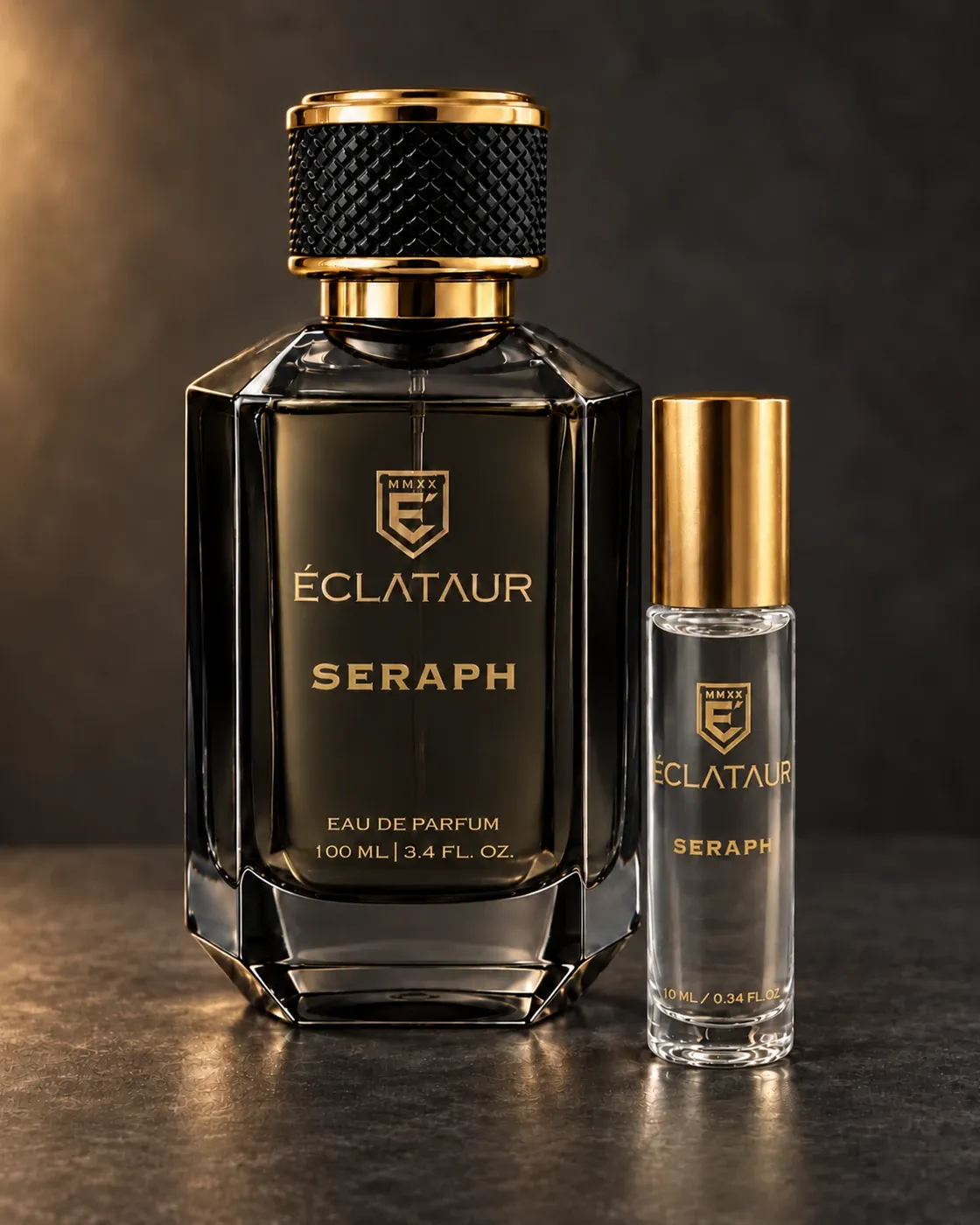
Selected ÉCLATAUR compositions are offered as both Eau de Parfum sprays and roll-on perfume oils. They give you a choice of application within the same scent direction. The format and available sizes are listed on each product page. Our Maceration Perfume guide, Issue 01 of The Craft Series, explains the house’s resting process.
Take EMBER, our amber-saffron composition. Compare the EMBER Eau de Parfum spray with the EMBER roll-on perfume oil for two ways to apply that scent direction. Choose the format you enjoy using; owning both is optional. The Ritual pairs a spray with the matching roll-on. For combining different scents, read our guide to how to layer perfume.
For the full context on how our fragrances are made, the materials we use, and the decisions behind every formula, see the ÉCLATAUR story. For broader reading on the chemistry of perfumery, Britannica’s entry on perfume is a strong starting point.
Perfume Oil vs Spray: Your Questions Answered
Perfume oil vs spray: which one actually lasts longer?
Neither format always lasts longer. The finished formula, concentration, amount applied and wearing conditions all matter. Compare the specific oil and spray on separate days, checking both the scent around you and what remains close to skin.
Why does my roll-on feel weaker than my spray?
A roll-on can seem quieter because of how and where you apply it. Less scent in the air does not necessarily mean less scent remains on skin, but a roll-on can also fade. Compare the products over time rather than assuming the quieter one is still present.
Can I wear a perfume oil and a spray together?
Yes, if you enjoy the combination and follow each product’s directions. Start with a small amount of the matching oil, then the spray, and compare that with either format alone. Layering changes the amount and balance of fragrance; longer wear is not guaranteed.
Which format is better for sensitive skin?
Neither format is automatically better for sensitive skin. Fragrance ingredients can cause reactions in either carrier, and alcohol-free does not mean allergen-free. Check the ingredients and consult the FDA’s guidance on fragrance sensitivities rather than choosing by format alone.
Are roll-ons better for travel than sprays?
A compact roll-on can be convenient for precise reapplication without a mist. Check the bottle’s size, closure and the liquid rules for your journey; a spray in an appropriate container may also suit you. Neither applicator guarantees that a bottle will not leak.
Does the ÉCLATAUR roll-on smell exactly like the spray?
Where both formats are available, they share a scent direction but can present differently on skin. Do not assume the opening or dry-down will be identical. Compare the specific pair and choose the application and development you prefer.