
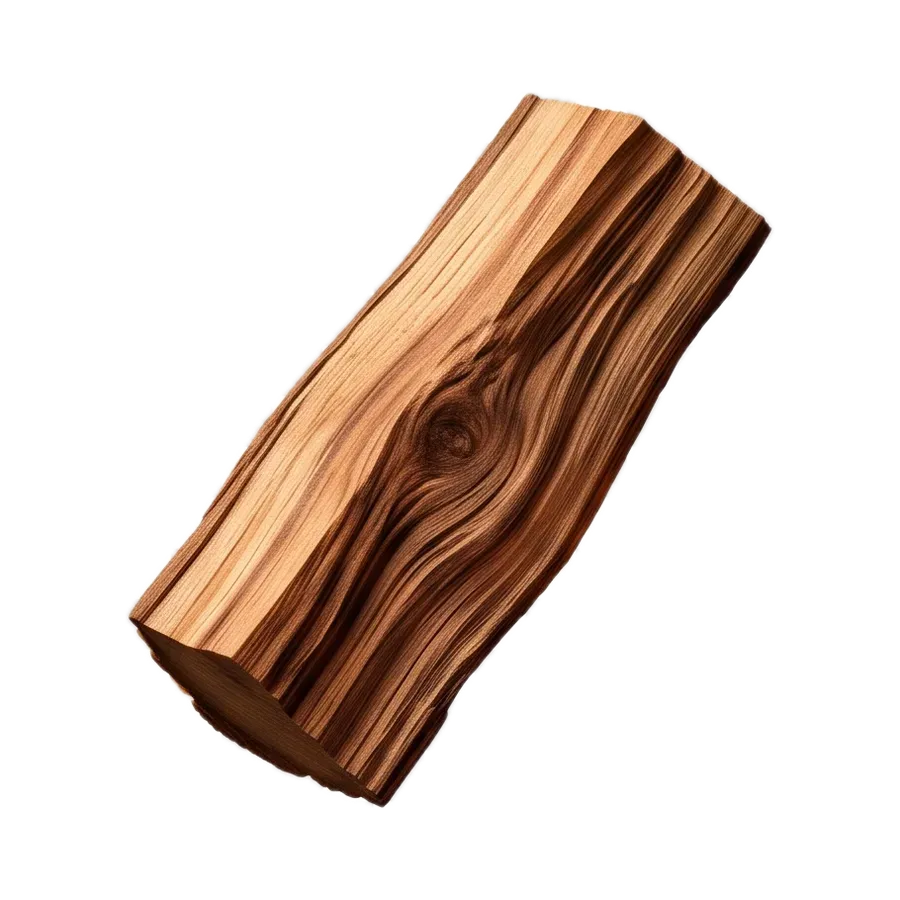
What cedarwood smells like
Cedarwood is the smell of a pencil sharpened, of a cedar chest opened, of dry lumber in the sun: clean, dry, faintly sweet and faintly smoky, with none of the heaviness of the darker woods. It is the quietest of the major wood notes and the most widely used, because it gives a composition a spine without giving it a voice.
Different cedars smell different. The Virginian and Texan cedars, which are in truth junipers, are pencil-sharp and dry; the Atlas cedar of Morocco is softer, warmer and a little balsamic; the cedar molecules the trade has made since are cleaner and more linear than either. Perfumers choose among them the way a joiner chooses timber, for the job and not for the name.
Where it sits in a composition
Cedarwood is in more of the house’s fragrances than any other wood: fifteen of them. In twelve it is in the base, from the ambers CLARTE and EMBER to the fougères KNIGHT and PULSE, the fresh woods LEGENDE and NOBLE, the gourmands NEXUS and OPUS, the florals INFINIE and VELORS, the spiced AZUR and the Édition Limitée VESPER. In FLARE, FORTUNE and LUCIDE it rises into the heart, where it dries the amber, the vanilla and the citrus in turn.
- OpeningNot here
- HeartFLAREFORTUNELUCIDE
- BaseAZURCLARTEEMBERINFINIEKNIGHTLEGENDENEXUSNOBLEOPUSPULSEVELORSVESPER
Where it comes from
The wood of several trees, steam-distilled into oil. Virginian cedar and Texas cedar are junipers, and their oil is the pencil-shaving cedar most people know; Atlas cedar is a true cedar and gives a warmer, more balsamic oil. The trade has also made cedar-like molecules that give the dryness without the smoke, and many cedar notes in a modern bottle use both. The house names cedar on the page of each fragrance that carries it, and a name such as Virginian or Atlas cedar describes the character the house is after: the dry pencil of the one or the warmer balsam of the other.
Fragrances that carry cedarwood
- AZURTry a testerRoll-on
- CLARTETry a testerRoll-on
- EMBERTry a testerRoll-on
- FLARETry a testerRoll-on
- FORTUNETry a tester
- INFINIETry a tester
- KNIGHTTry a tester
- LEGENDETry a testerRoll-on
- LUCIDETry a testerRoll-on
- NEXUSTry a testerRoll-on
- NOBLETry a tester
- OPUSTry a tester
- PULSETry a tester
- VELORSTry a tester
- VESPERÉdition Limitée, bottle only
Cedarwood: your questions answered
What does cedarwood smell like in perfume?
Clean, dry and faintly sweet, with a hint of smoke: a sharpened pencil, an opened cedar chest. It is the quietest of the major woods, a spine rather than a voice.
Is cedarwood natural?
The oils are: Virginian and Texas cedar are distilled from juniper wood, Atlas cedar from a true cedar. The trade has also made cedar-like molecules, and many modern cedar notes use both. The name on a page describes the character the house is after, not a certificate of origin.
Is cedarwood a base note?
Nearly always. The house sets it in the base of twelve fragrances. In FLARE, FORTUNE and LUCIDE it sits in the heart instead, drying the amber, the vanilla and the citrus.
What is the difference between Virginian cedar and Atlas cedar?
Virginian cedar is a juniper, and its oil is dry, sharp and pencil-like. Atlas cedar is a true cedar from the mountains of Morocco, and its oil is softer, warmer and slightly balsamic. A perfumer chooses between them for the job, as a joiner chooses timber.
What does cedarwood pair with?
Nearly everything, which is why it is so widely used: citrus, which it dries; lavender and the fougère accord; ambers and vanilla, which it keeps from turning heavy; white florals, which it gives a stem. In the house it sits in fifteen fragrances across every family.
Which ÉCLATAUR fragrances have cedarwood?
AZUR (in the base), CLARTE (in the base), EMBER (in the base), FLARE (in the heart), FORTUNE (in the heart), INFINIE (in the base), KNIGHT (in the base), LEGENDE (in the base), LUCIDE (in the heart), NEXUS (in the base), NOBLE (in the base), OPUS (in the base), PULSE (in the base), VELORS (in the base), VESPER (in the base). Each page lists the full pyramid, top to base, and the eligible ones can be tried as testers through the Prelude.