
The materials · 9 in the registry, 5 in the bottles
Fruit
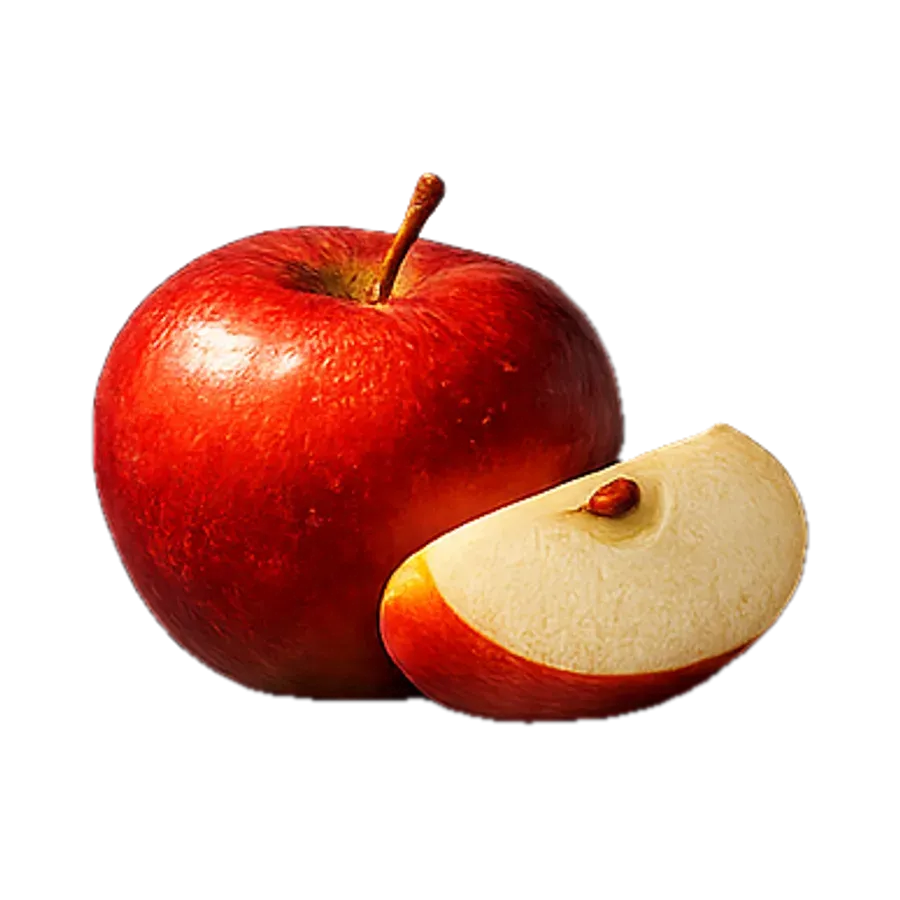
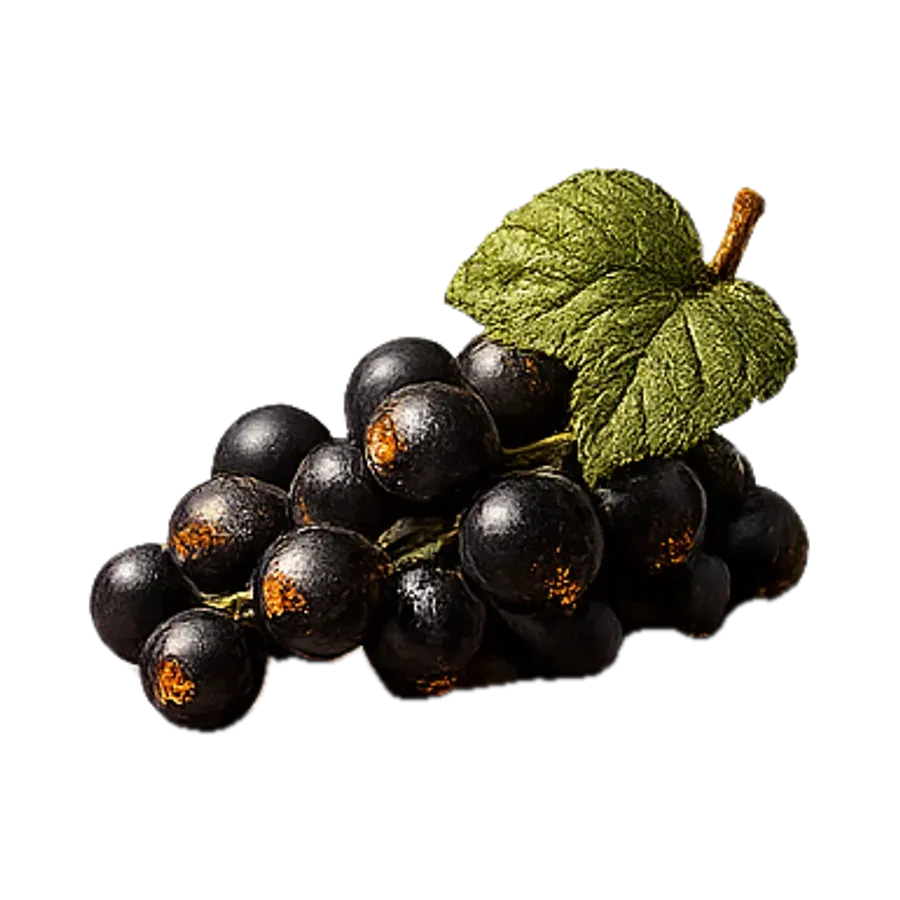
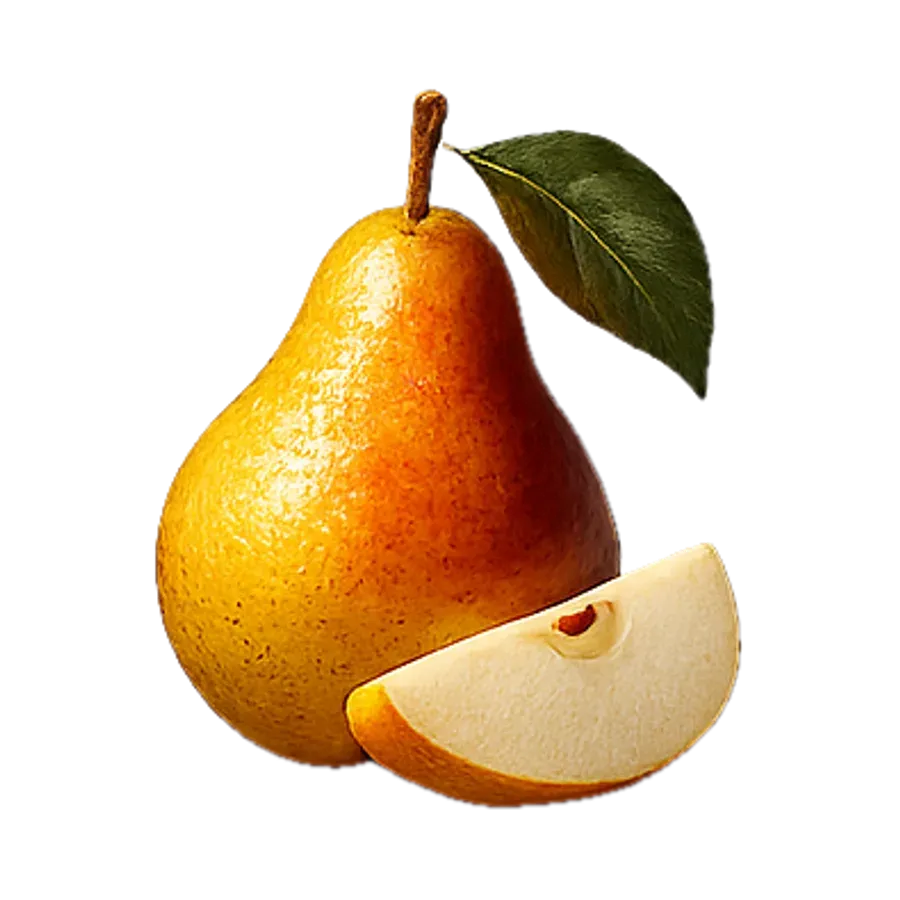
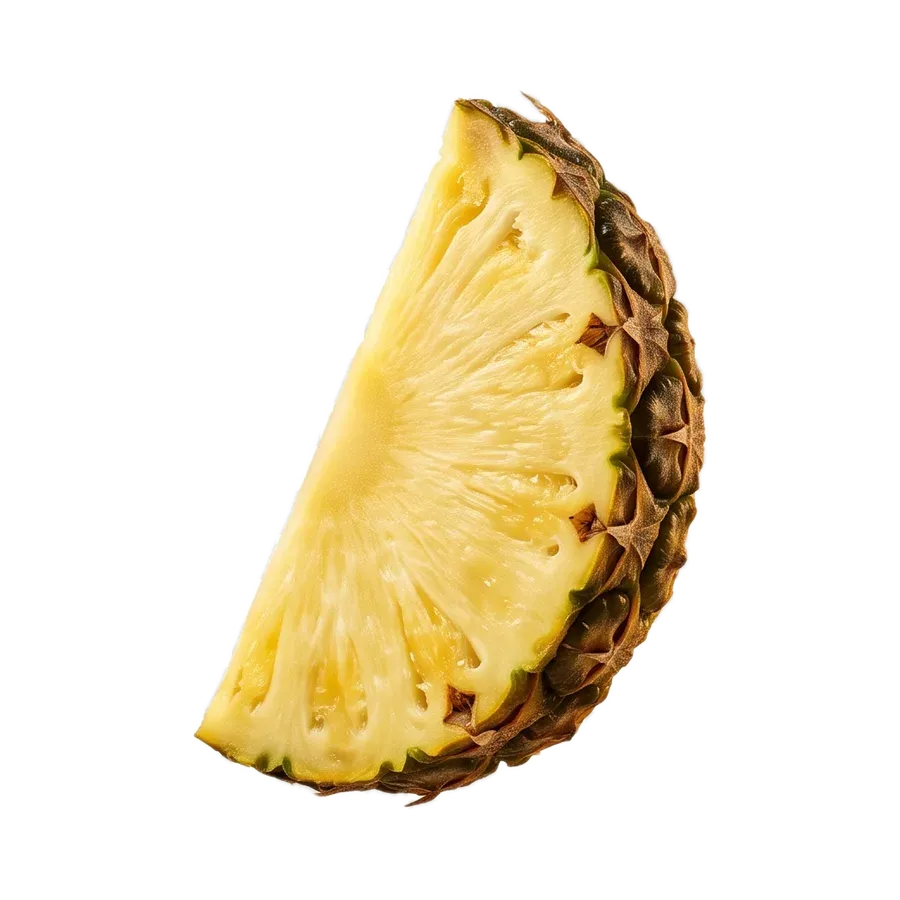
Fruit in perfumery is nearly always a built note rather than a pressed one, and it is used for brightness with a little sweetness: a blackcurrant beside a bergamot, a pear over a floral, a pineapple that opens a chypre.
Last updated October 20, 2026
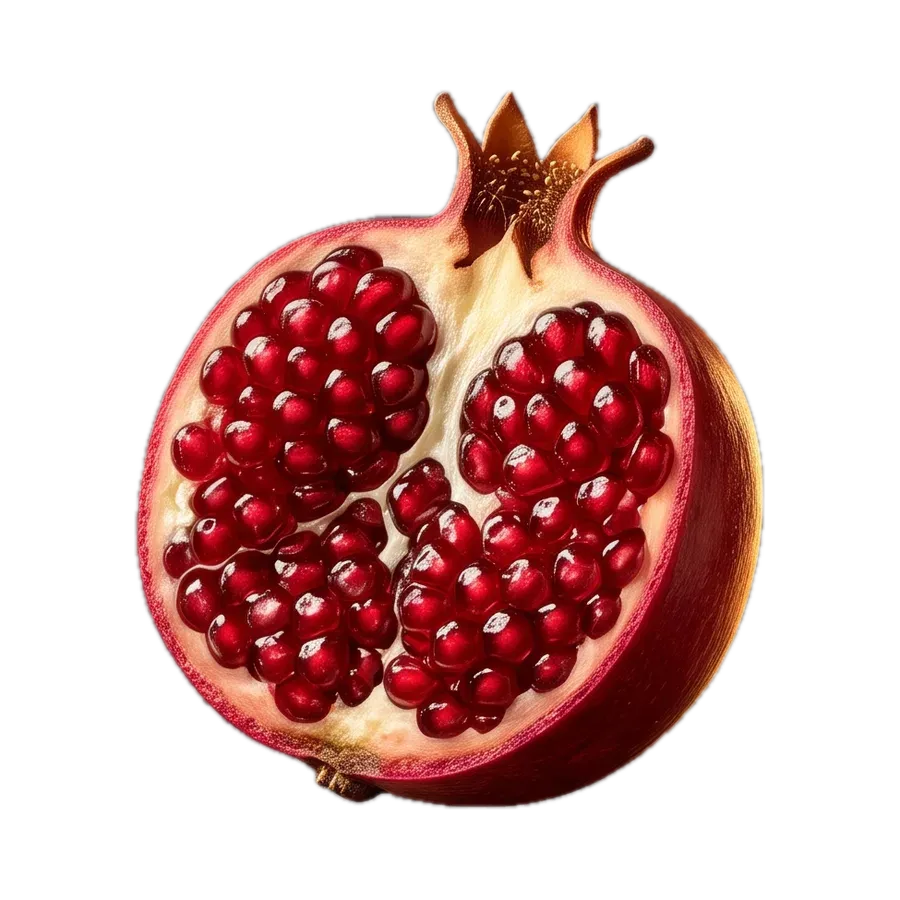
Pomegranate
A jewel box that ripened.
Tart red fruit: juicy brightness with a wine-like depth.
InDESIRE
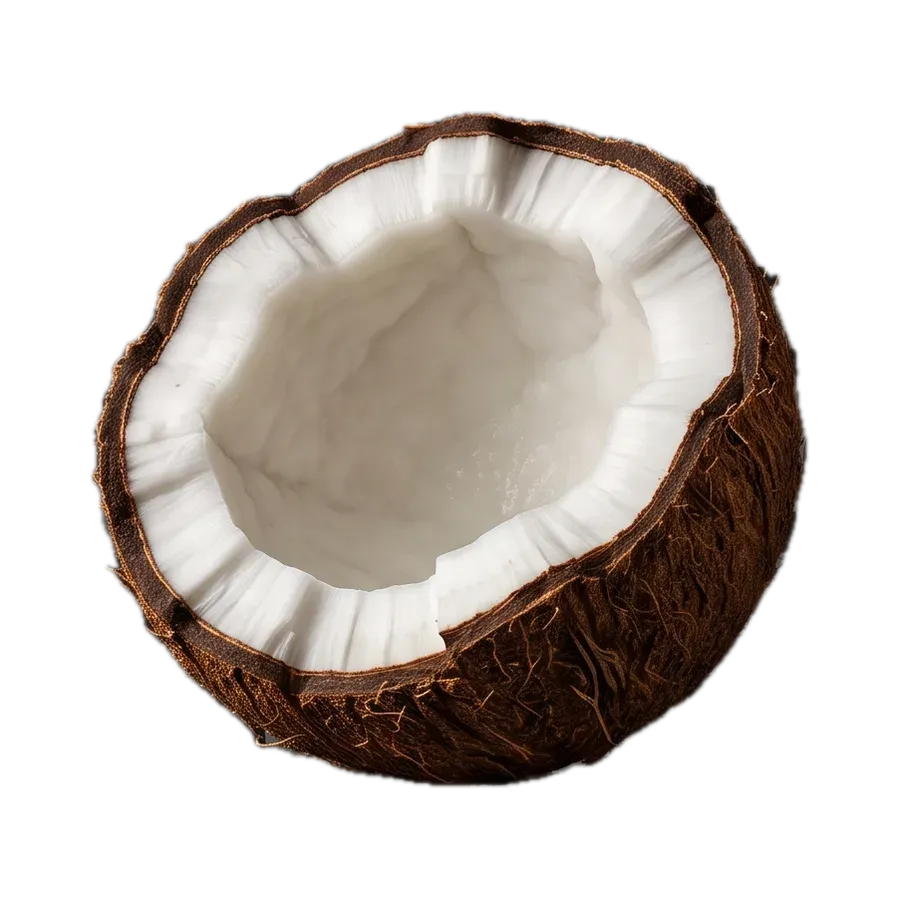
Coconut
White flesh, warm sand.
A creamy tropical note, milky and sun-warmed.
In the palette, not in a current fragrance
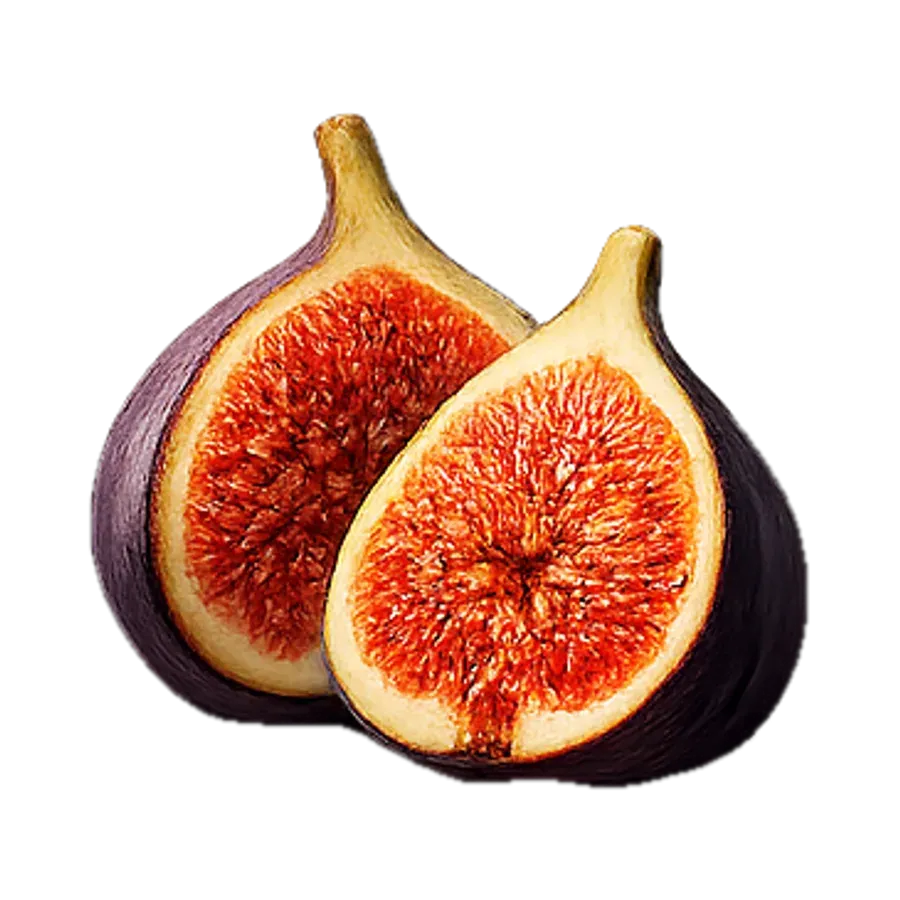
Fig
Green leaves and warm milk in one fruit.
Fig reads green, milky, and softly sweet all at once.
In the palette, not in a current fragrance
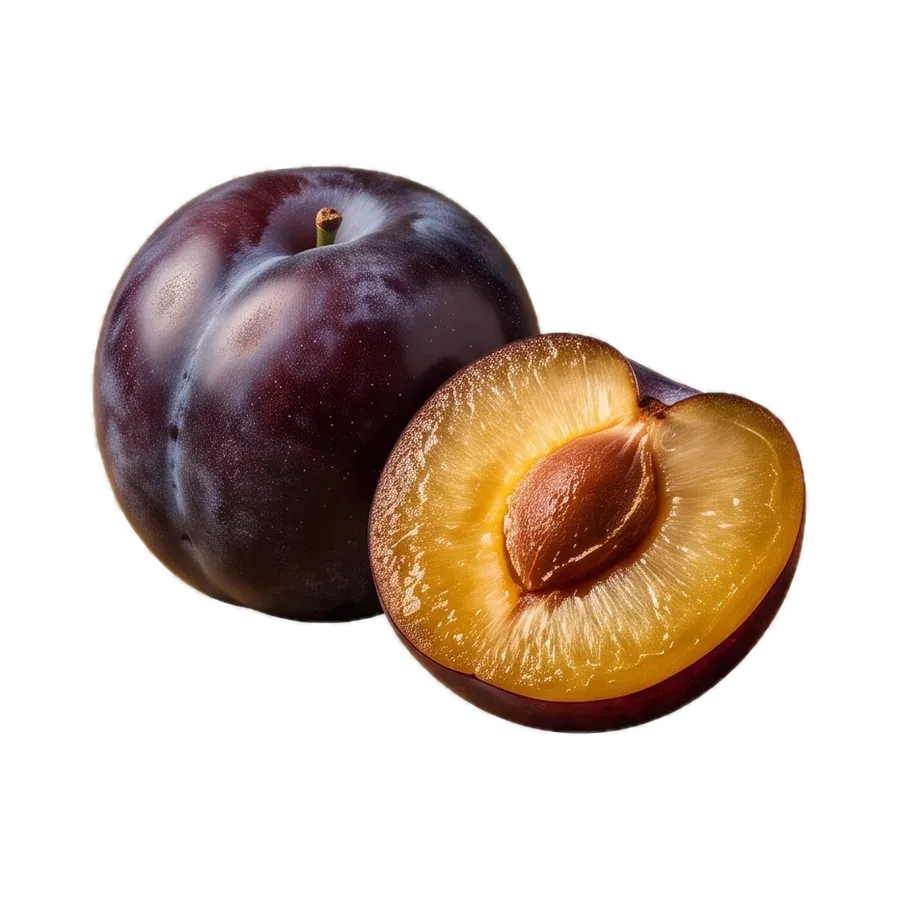
Plum
Dusk-colored sweetness.
A dark, velvety fruit note, rich without being heavy.
In the palette, not in a current fragrance
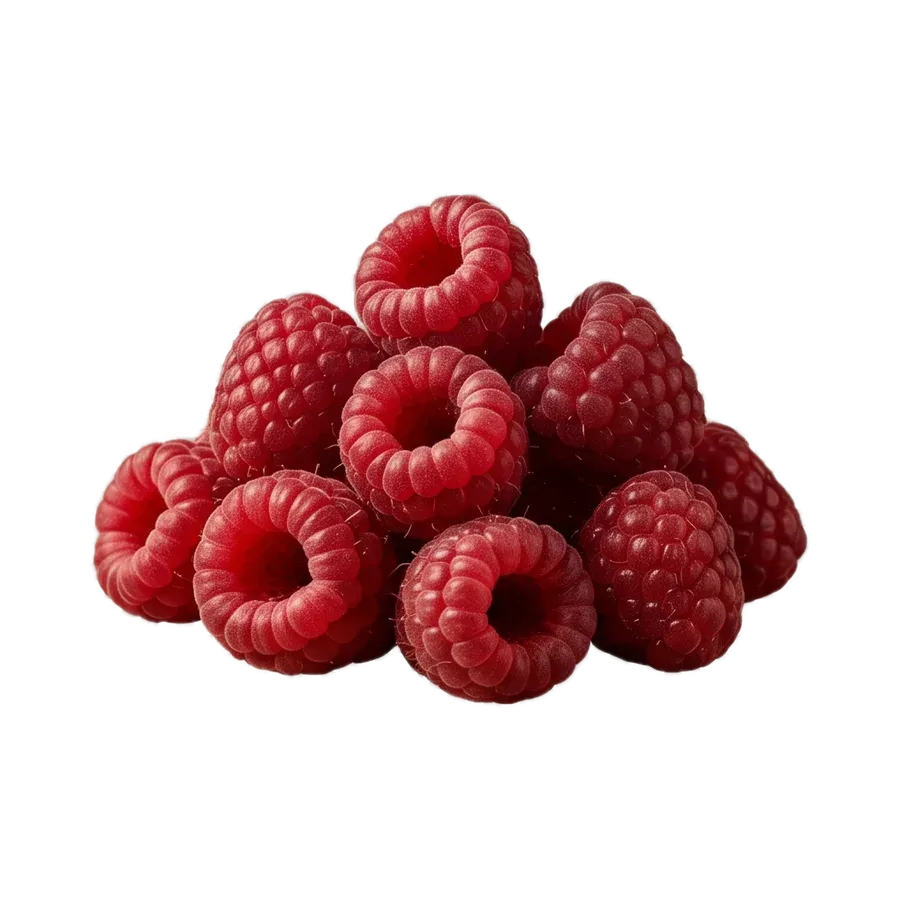
Raspberry
Red brightness, slightly wild.
A jammy-fresh berry note with playful lift.
In the palette, not in a current fragrance
Fruit: your questions answered
What are the fruit materials in perfume?
Fruit in perfumery is nearly always a built note rather than a pressed one, and it is used for brightness with a little sweetness: a blackcurrant beside a bergamot, a pear over a floral, a pineapple that opens a chypre.
Which fruit materials does ÉCLATAUR use?
Apple, Blackcurrant, Pear, Pineapple and Pomegranate are in the bottles today. Coconut, Fig, Plum and Raspberry are in the palette, named and photographed, without a bottle yet.
Where do fruit notes sit in a fragrance?
In the opening, in every fragrance of the house that carries one.
Which ÉCLATAUR fragrances carry fruit materials?
DESIRE, ELORA, FORTUNE, KNIGHT, OPUS, REGENT, VELORS and ÉCLAT. Each page lists its full pyramid, opening to base, with the material named where it sits.
What do fruit materials pair with?
A citrus beside it keeps fruit from reading as sweet; a floral under it, pear over rose or blackcurrant over jasmine, gives it a body; a chypre base turns a pineapple opening sharp and grown up.
Can I try a fruit fragrance before buying?
Yes. DESIRE, ELORA, FORTUNE, KNIGHT, OPUS, REGENT and VELORS are in the Prelude: the tester is free and ships at a flat $10, and you wear it through a day before choosing a bottle. ÉCLAT is outside the tray; a 2 ml tester ships beside the sealed bottle instead.