The Guide Issue 08
What a Gourmand Perfume Is, and How the Sweet Ones Grew Up
A gourmand perfume is one built around edible notes: vanilla, cocoa, caramel, coffee, honey, almond. The question is what a perfumer does with sweetness.
A gourmand perfume is built around edible notes: vanilla, cocoa, caramel, coffee, honey, almond. The word is French for a lover of good food; in perfumery it names a family, not a single smell. The question is what a perfumer does with sweetness: the house builds five gourmands, darkest to lightest, held up by woods and resins.
A gourmand perfume is one built around edible notes: vanilla, cocoa, caramel, coffee, honey, almond. The question is what a perfumer does with sweetness. Done badly, a gourmand is a candy shop that follows you into every room. Done well, it is the warmth of something baked, held up by woods, resins or tobacco so that it reads as a fragrance and not a flavour, and so that it still smells like itself at the end of the evening.
Gourmand is the direction most people reach for when the weather turns, and it is the direction the whole market has been moving toward for several years. This guide explains what the word means, where the style came from, how it has changed, and how the house builds its own five, from the darkest to the lightest. It ends with the honest test for whether a sweet perfume is a gourmand at all.
What Makes a Perfume Gourmand
The word is French for a person who loves good food, and in perfumery it names a family rather than a single smell. Three things together put a fragrance in it.
The Edible Note Is the Subject
Vanilla, cocoa, caramel, coffee, honey, praline, almond, milk, toffee: in a gourmand one or more of these is what the fragrance is about, not a seasoning in the base. Plenty of ambers and florals carry vanilla or tonka underneath; that does not make them gourmands. The edible note has to lead.
Something Holds the Sugar Up
Sweet materials on their own collapse into syrup almost at once. A gourmand that lasts has a structure underneath: sandalwood, cedar, cashmere wood, patchouli, tonka or a tobacco accord, which give the sweetness an edge to lean on. This is the difference between a dessert and a fragrance that smells of one.
Contrast Keeps It Wearable
The gourmands that people wear for years all carry something bitter, smoky, salty or green against the sweetness: coffee against praline, bergamot against caramel, lavender against toffee, tobacco against honey. Without that contrast a gourmand is cloying by the afternoon. With it, the sweetness reads as warmth.
Sweetness is easy. Structure is the work. A gourmand is judged by its last hour, not its first.
Where the Gourmand Came From
Edible notes are not new to perfume. Vanilla, tonka bean and benzoin have sat in the base of fine fragrance for well over a century, because they are among the warmest and most tenacious materials a perfumer has. What was new, in the nineties, was putting them in front: the first fragrances built openly around chocolate, caramel and candy floss, sold as something you could almost eat. They were loud, they divided opinion, and they created a family that had not existed before.
The style then spent two decades becoming sweeter and simpler, until a vanilla perfume could be a single note on a musk. That is the version many people picture when they hear the word, and it is the version the house does not make.
How the Sweet Ones Grew Up
The gourmand of this decade is darker, drier and better dressed. The trend data for the season say the same thing from the outside: sweetness paired with tobacco, leather, smoke and resin rather than with more sugar, roasted and toasted notes over raw ones, and a move toward pistachio, matcha, honey and caramel as the new entry points. Forbes called it gourmands growing up, which is the right phrase.
From the bench, the shift looks like this: the edible note stays the subject, but it is roasted rather than raw, it is contrasted rather than sweetened, and it is built on a base that would stand on its own as a woody or amber fragrance if the sweetness were taken away. A grown-up gourmand is a fragrance first. The house has built its sweet direction this way from the beginning, which is why none of its gourmands is a dessert.
The House’s Gourmands, From Darkest to Lightest
Five fragrances in the collection are built with an edible note leading. They run from the darkest, which is nearly a coffee, to the lightest, which is nearly a cream. Each listed note is from its own page; nothing here is invented for the article.
SERAPH: Coffee, Cocoa and Rose
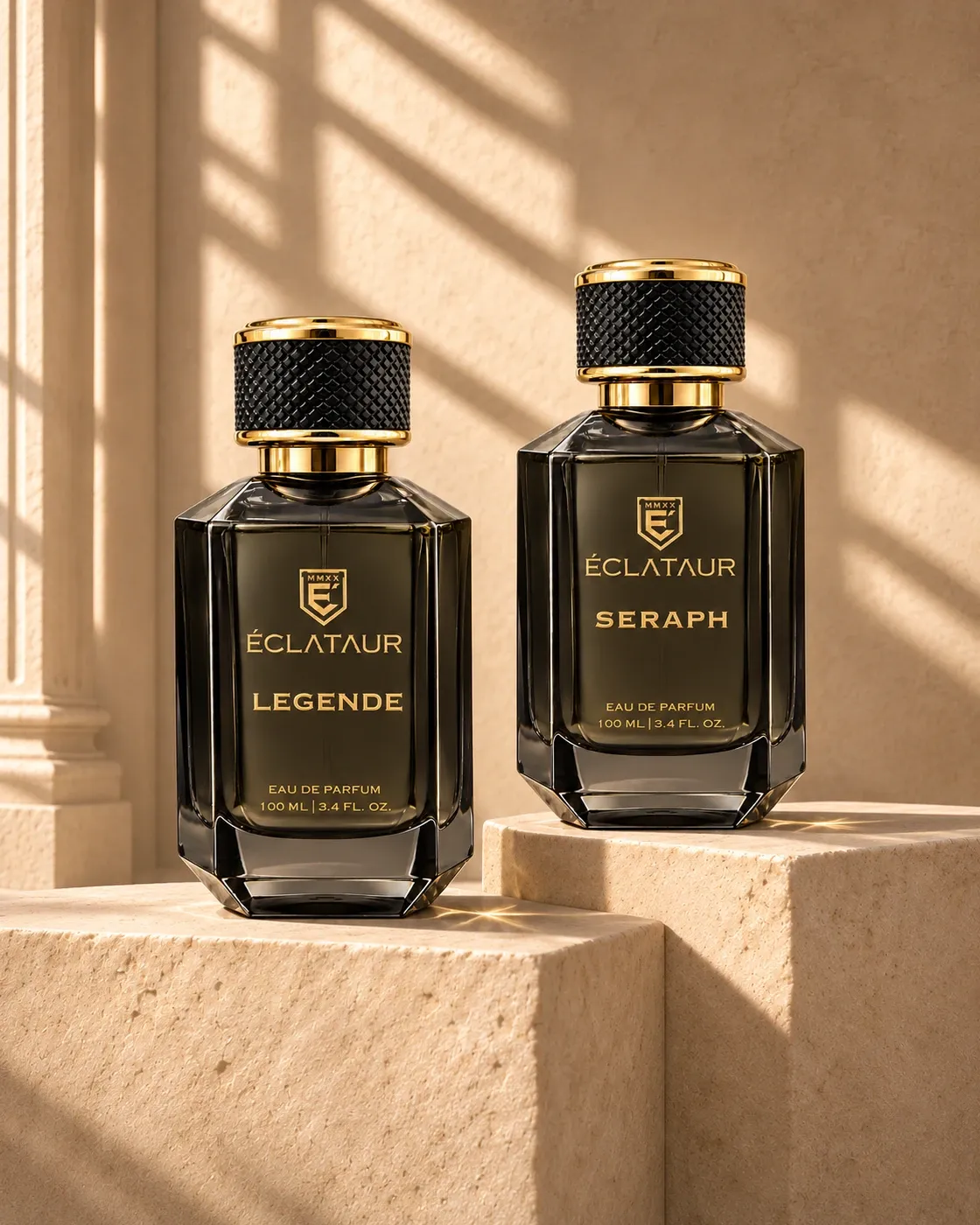
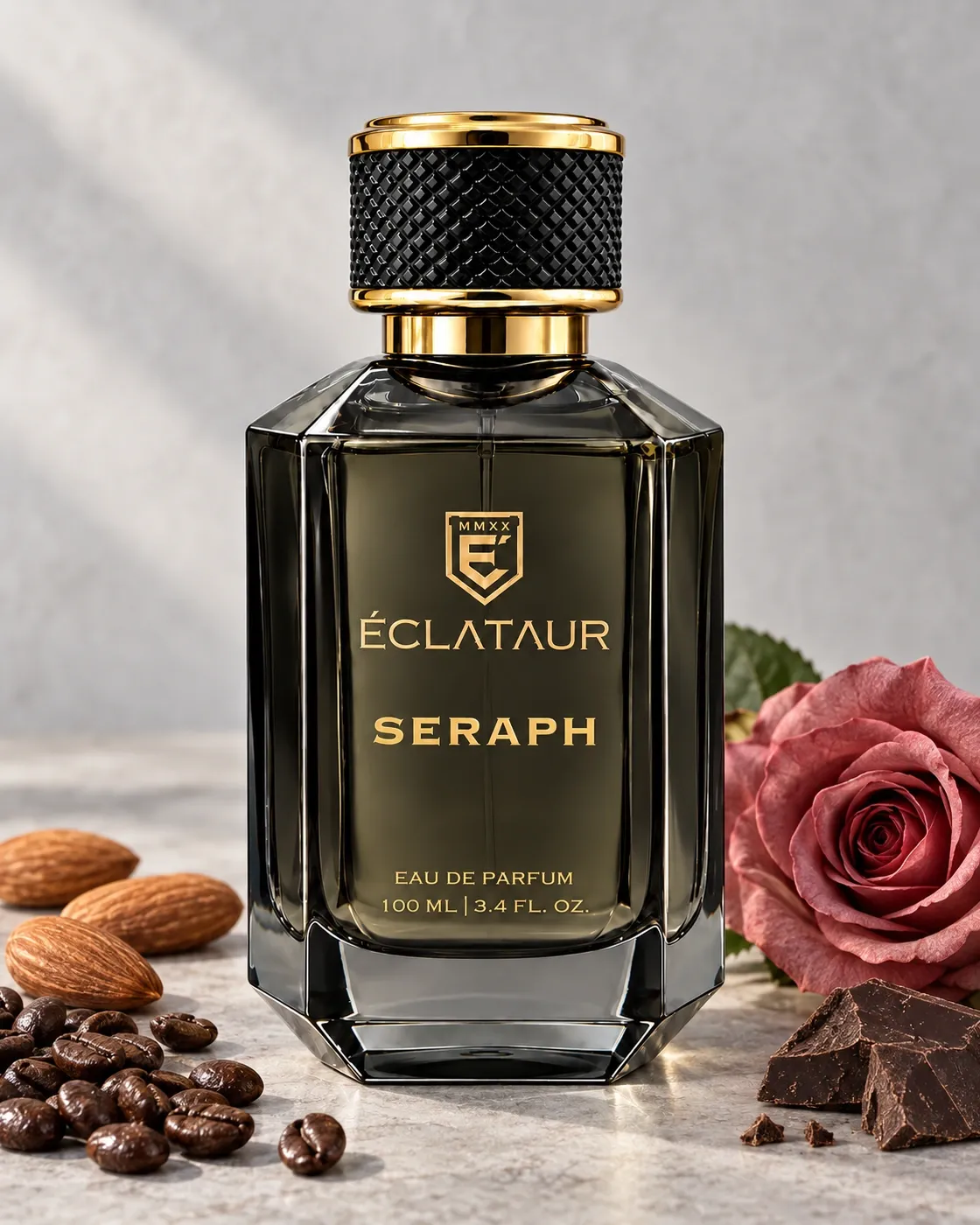
Roasted almond and a coffee accord lifted by bergamot, then Bulgarian rose and tuberose folded into dark cocoa, over praline, tonka, sandalwood and cashmere wood. The darkest gourmand in the house, rich without being sweet, like dark chocolate broken in a warm room. SERAPH is also made as a roll-on perfume oil.
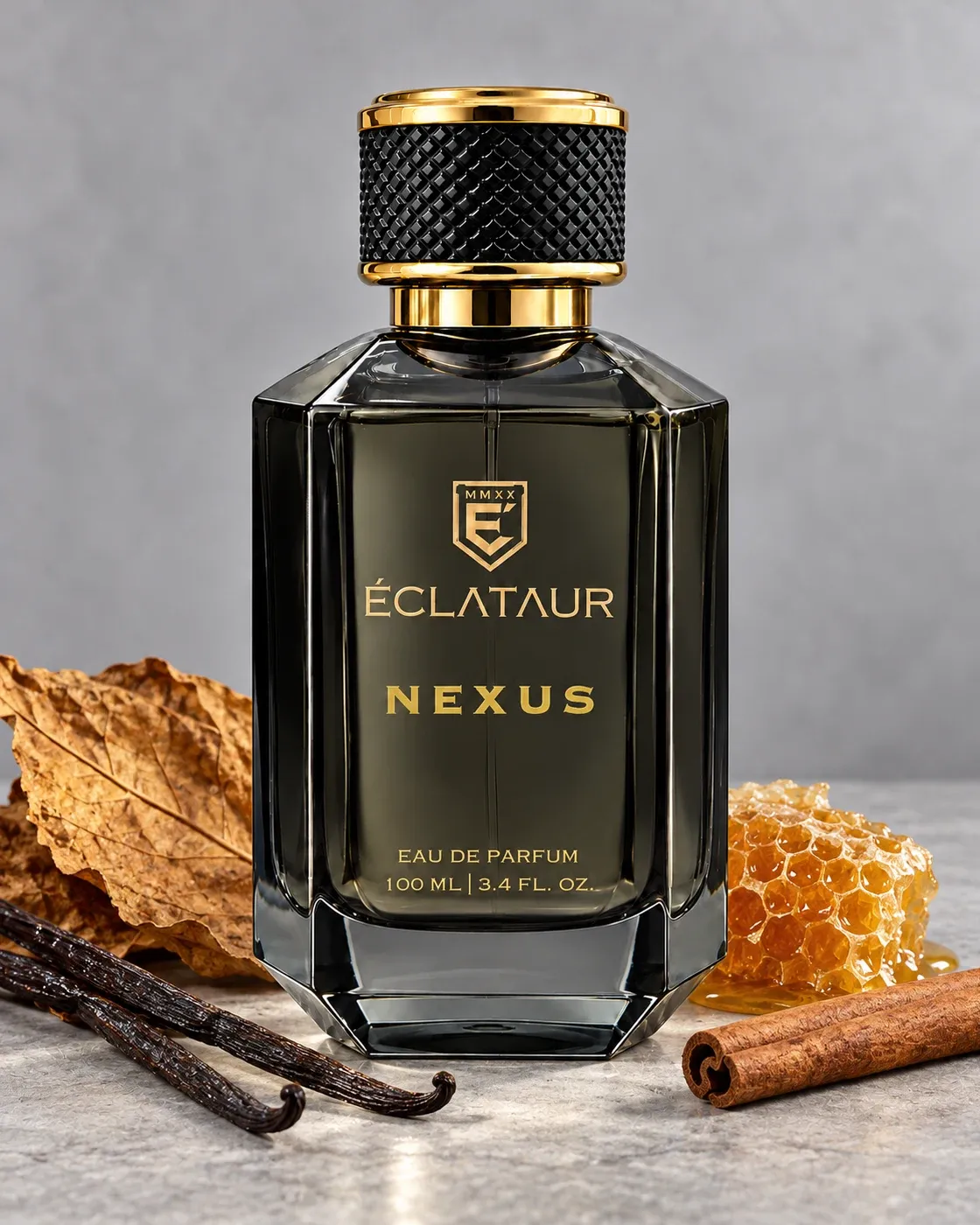
NEXUS: Tobacco, Honey and Vanilla
Bergamot, Sicilian lemon, lavender and a dust of Ceylon cinnamon open onto blonde tobacco leaf, golden honey and jasmine, over Atlas cedar, Madagascar vanilla and tonka. This is the grown-up gourmand in its clearest form: the honey and vanilla are the subject, the tobacco keeps them from ever turning to syrup. NEXUS, also as a roll-on.
OPUS: Coffee Darkness, Vanilla Addiction
Pear, pink pepper and orange blossom in the opening, then bitter almond, coffee, jasmine and licorice wood, over Madagascar vanilla, patchouli, cashmere wood and Virginian cedar. Bright and flirtatious at first, then the darker heart reveals itself. OPUS sits in the women’s collection and layers with SERAPH.
PULSE: Lavender Over Toffee
Cardamom, pink pepper and violet leaves, then chestnut, lavender and sage, over cedar, a toffee accord, tonka and vanilla absolute. An aromatic gourmand built on the oldest masculine structure, the fougère, with the toffee and chestnut where the moss would once have been. PULSE is the gourmand for someone who thinks they do not like gourmands.
SUNLATTE: Caramel Cloud, Vanilla Embrace
Caramel and a milk accord, then coumarin and honey, over Madagascar vanilla and white musk. The lightest and most comforting of the five, closer to a steamed caramel latte than to a cake, and the one most often worn in the daytime. SUNLATTE layers with OPUS and with SERAPH.
A sixth, FORTUNE, sits at the edge of the family: apple and davana over rose, osmanthus and cedar, on vanilla absolute, tonka and patchouli. The vanilla is large in it, but the fragrance is built as a spiced oriental rather than as a gourmand, which is a useful place to see the line drawn.
How to Wear a Gourmand
Sweet fragrances project further than most people expect, because the materials that make them sweet are also among the most diffusive. The usual advice applies with more force here: one spray where you would normally use two, applied low and sheltered rather than at the throat, and the matching roll-on underneath if you own it, since oil keeps a gourmand close to the skin where it belongs. The guide to the dry-down covers placement in full.
Season matters less than people think and company matters more. The house’s gourmands are built for cool evenings, winter gatherings and the long dinner, and that is where they belong; but SUNLATTE and PULSE both wear well on a cold morning, and a gourmand in a warm, closed room is a lot for the people beside you. Layering across the family works when the two share a direction: SUNLATTE under OPUS deepens the vanilla, SERAPH over SUNLATTE adds the coffee and the rose, and the layering guide sets out the rules behind those pairings.
When a Sweet Note Does Not Make a Gourmand
The test is simple: take the edible note away and ask what is left. If what remains is still the fragrance, the note was seasoning and the fragrance belongs to another family. CLARTE carries tonka and Madagascar vanilla in its base and is an amber musk, because the amber accord and the musk are the subject. FORTUNE carries vanilla absolute and is a spiced oriental. A gourmand with its edible note removed is not a fragrance at all, which is exactly the point.
This is also why two fragrances with vanilla on their note lists can smell nothing alike, a question the families guide takes further. Notes describe what was added; the family describes what the composition is about.
For a broader account of how perfume families are drawn, Britannica’s entry on perfume is a sound starting point, and Fragrantica remains the most useful public record of how gourmands are read by the people wearing them.
What Is a Gourmand Perfume: Your Questions Answered
What is a gourmand perfume?
A fragrance built around edible notes such as vanilla, cocoa, caramel, coffee, honey or almond, where the edible note is the subject rather than a seasoning in the base. A well-made gourmand holds that sweetness up with woods, resins or tobacco so it reads as a fragrance and not a flavour.
What does gourmand mean in fragrance?
The word is French for someone who loves good food. In perfumery it names a family of fragrances that smell edible, which took shape in the nineties when perfumers first put chocolate, caramel and candy notes in front rather than underneath. It is a family, not a single smell.
Is a vanilla perfume always a gourmand?
No. Vanilla sits in the base of many ambers, florals and orientals as a warming material. A perfume is a gourmand when the vanilla, or another edible note, is what the fragrance is about. Take the note away: if the fragrance is still itself, it was not a gourmand.
Can men wear gourmand perfume?
Yes, and the grown-up gourmands are built for exactly that. NEXUS pairs honey and vanilla with tobacco and cedar; PULSE puts toffee and chestnut under lavender on a fougère structure, the oldest masculine form in perfumery. Both sit in the men’s and unisex collections and are worn by everyone.
Are gourmand perfumes only for winter?
They suit cool weather and the evening, because sweet materials project strongly and warmth pushes them further. But a lighter gourmand such as SUNLATTE wears well on a cold morning, and the rule is less about the month than about the room: one spray, applied low, in company.
Which gourmand should I try first?
Try two at once on skin rather than guessing: SERAPH if you want dark and rich, SUNLATTE if you want soft and creamy, NEXUS if you want sweetness with tobacco behind it. The Prelude lets you wear up to five testers through a full day before choosing a bottle.