The Guide Issue 14
Why Perfume Fades in Hot Weather, and How to Wear It Through a Texas Summer
Why does perfume fade in hot weather? Heat speeds every material off the skin, so a fragrance is louder at first and gone sooner. Wear less and lower.
Perfume fades in hot weather because heat speeds every material off the skin: a fragrance is louder at first and gone sooner. Wear less and lower, choose compositions built for heat, keep the heavier ones for the hour the air cools, and never leave a bottle in a car or the sun.
Why does perfume fade in hot weather? Heat speeds every material off the skin, so a fragrance is louder at first and gone sooner. Wear less and lower. A Texas summer is the hardest test a composition can be given, and the house makes its perfumes inside one, which is why this guide is written from the atelier’s own weather rather than from a general rule about summer.
What follows is what heat and humidity actually do to a fragrance on skin, which families are built for it and which are for the hour the air cools, how to apply so that a fragrance survives a July afternoon, and the two places a bottle must never be left in this climate. None of it promises a number of hours, because heat is the one condition that moves every number furthest.
What Heat Does to a Fragrance on Skin
Three things happen at once in hot weather, and they pull in different directions.
Everything Leaves Faster
Warm skin and warm air push every material off faster, so the opening is louder and shorter, the heart arrives early, and the base is reached by the afternoon. The arc is the same; it plays at speed. A fragrance you know from a cool office can seem like a different one on a hot street.
The Heavy Notes Grow
Resins, sweet materials and the modern ambers radiate further in heat, which is pleasant across a terrace at dusk and a lot in a car at noon. This is why a gourmand or a resinous amber that is perfect in January can crowd a room in July: the same dose, carried further by the air.
Sweat and Humidity Change the Ground
Sweat carries a fragrance off the skin and adds its own note underneath; humid air holds scent close rather than letting it rise. Together they flatten a composition and make its opening read sharper than it is. Dry heat is kinder to perfume than wet heat, and a Texas August is both at once.
In heat, a fragrance does not weaken. It hurries. The trick is to give it less to hurry with, and somewhere cool to start from.
Which Fragrances Are Built for Heat
The families that suit heat are the ones whose opening is the point and whose base is light: citrus, aquatic, green and the lighter woods. Their lightness is a virtue when everything leaves faster, and their quietness in the base means nothing grows into a cloud. The house’s pages say which of its compositions lean to warm weather, and the ones below are built for it.
LUCIDE
Bergamot, mandarin and neroli over black tea, cedar and ginger, on ambroxan, saffron, sandalwood and white musk. The house’s clearest summer composition: bright, dry, and with enough in the base to still be there at the end of a hot day without ever becoming heavy. LUCIDE, also as a roll-on.
AQUA
Calabrian bergamot, grapefruit and Sicilian lemon over an aquatic accord, ginger and jasmine sambac, on an ambergris accord and white musk. Built for the beach and the pool and the days that feel like them: sea air over citrus, with nothing underneath that heat can turn into syrup. AQUA.
LEGENDE and NOBLE
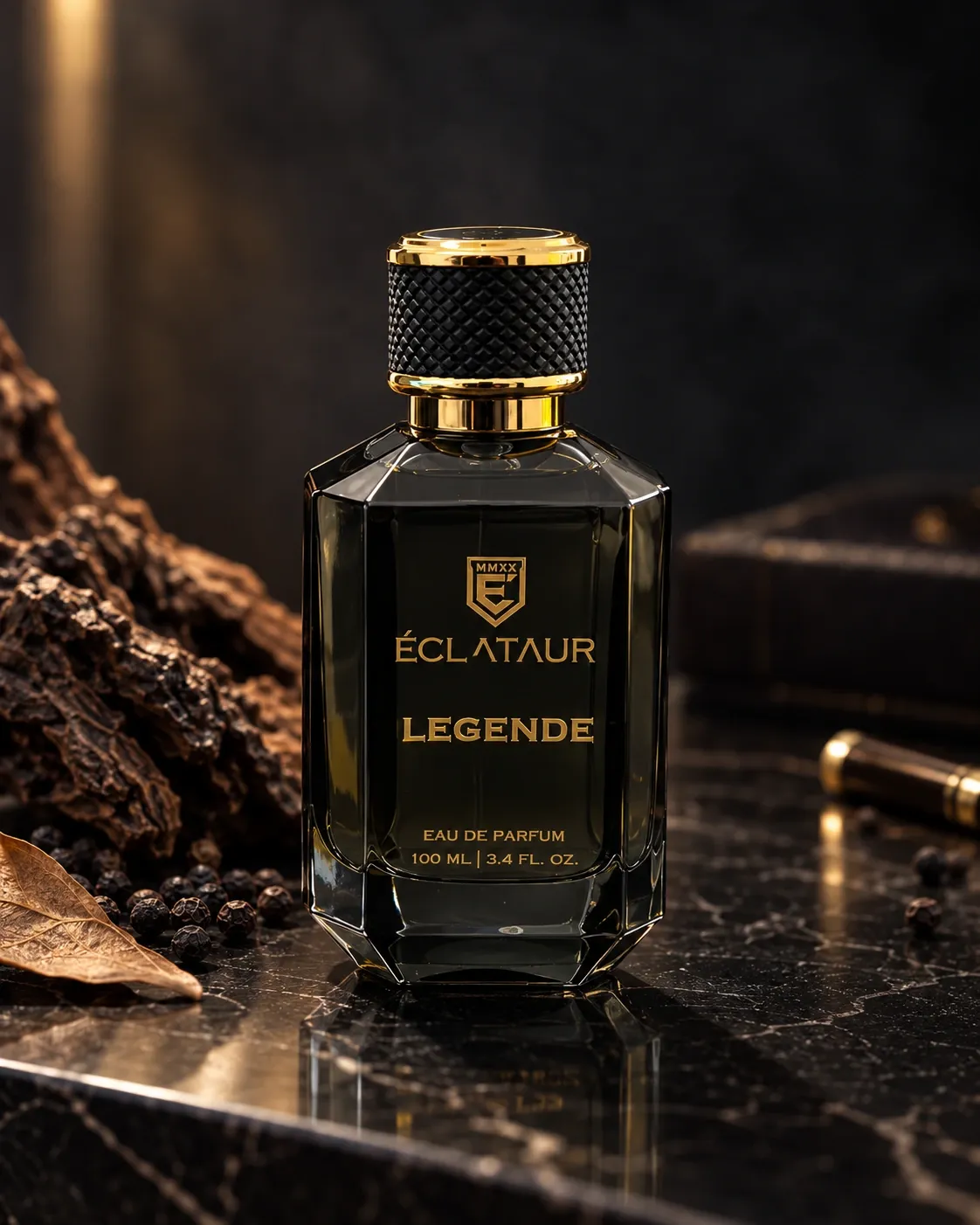
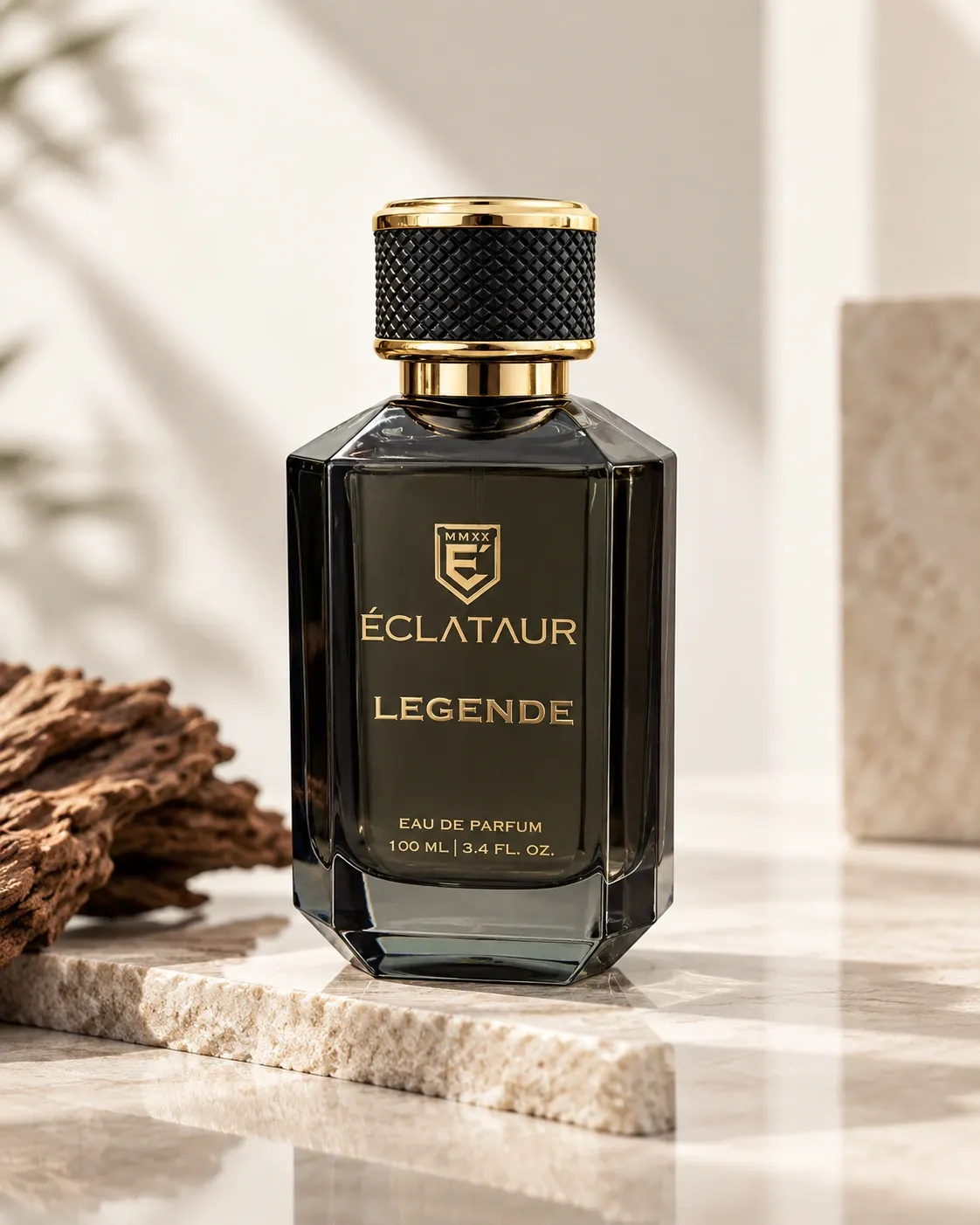
LEGENDE’s bergamot and pink pepper over geranium, lavender and vetiver, on ambroxan, labdanum and cedar, is the house’s warm-weather signature for men and leans to spring and summer by design. NOBLE’s grapefruit, lemon and mint over ginger and nutmeg is its drier cousin, built for the whole year. LEGENDE, NOBLE.
DESIRE and KNIGHT
DESIRE’s pomegranate and lemon over jasmine, lemon blossom and peony, on ambroxan, sandalwood and white musk, is the warm-weather floral. KNIGHT’s green apple, ginger and sage on vetiver and cedar is the clean fougère that a hot office asks for. DESIRE, KNIGHT.
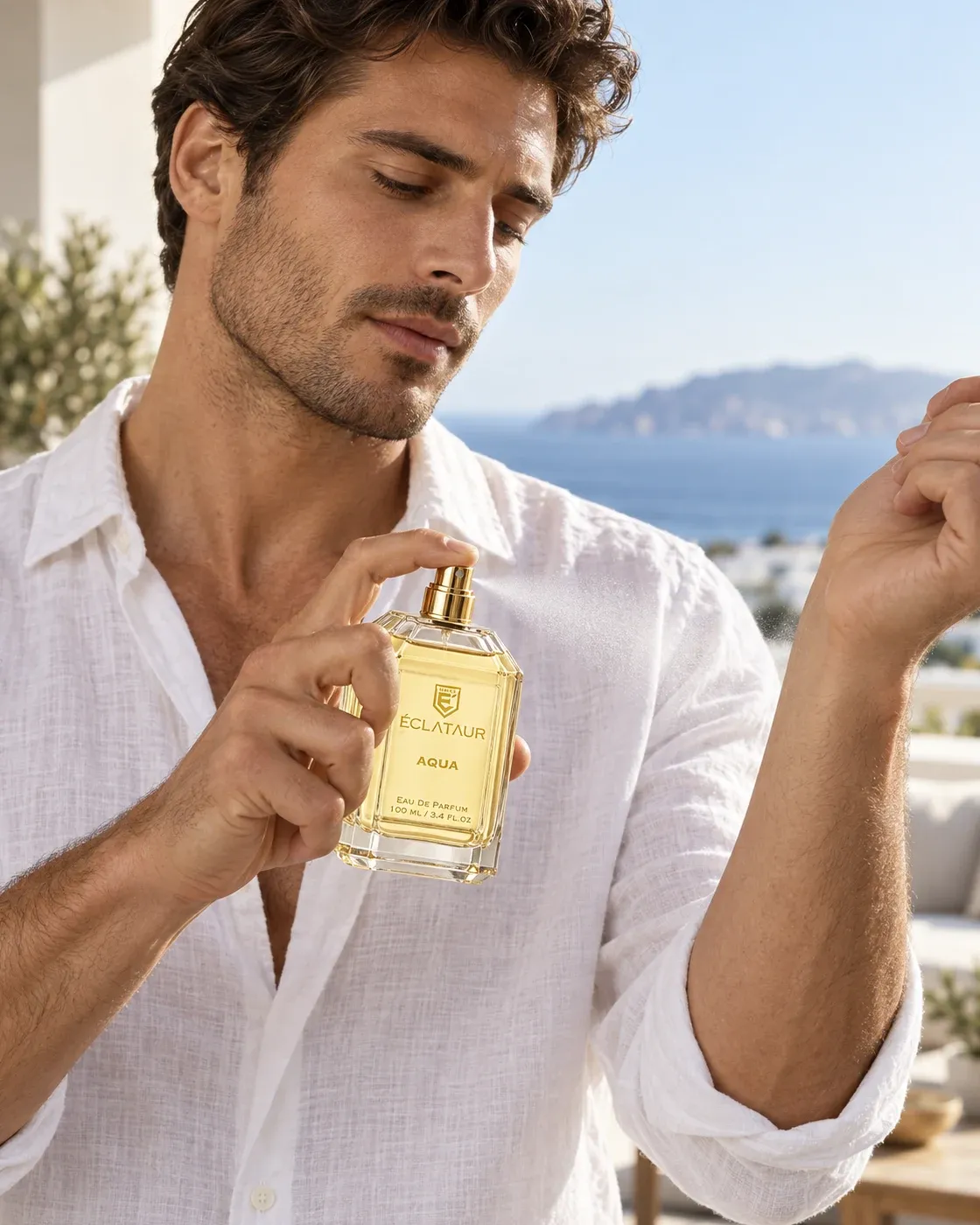
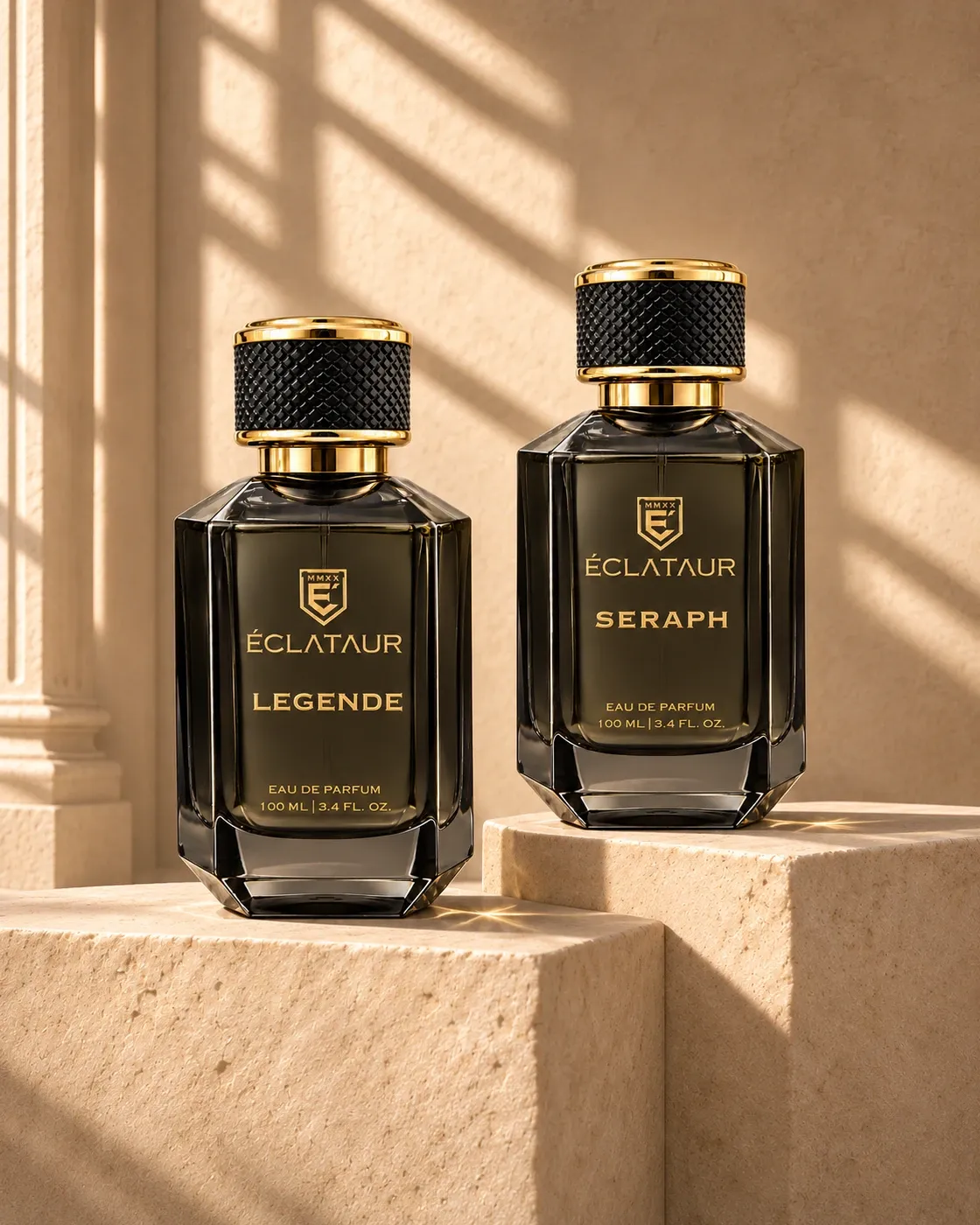
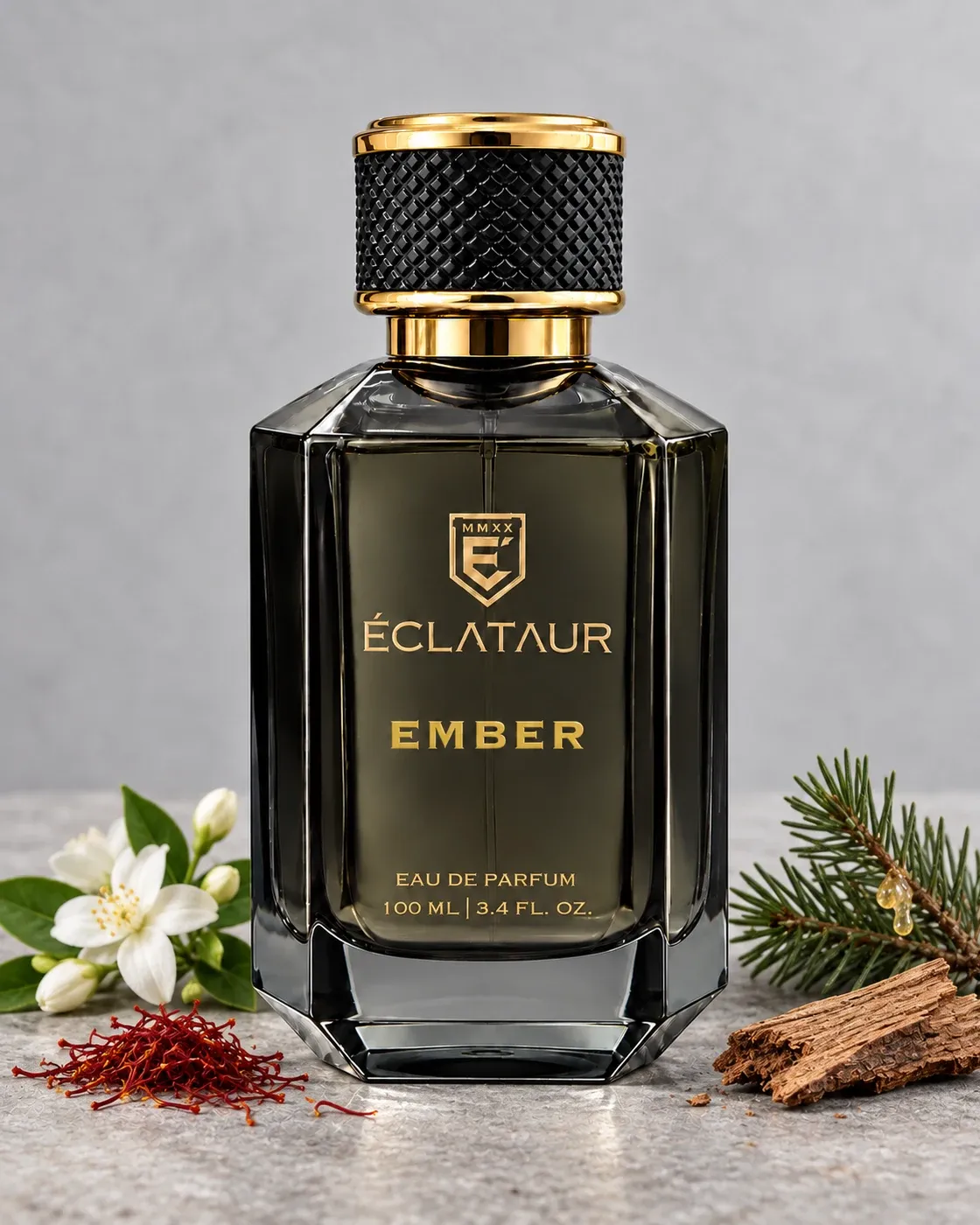
The ambers and gourmands are not banished in summer; they move to the evening. EMBER and FLARE are built dry enough, on the mineral ambers, to be worn all year, and a Texas night in July, once the air has cooled on a terrace, is exactly where SERAPH or BRUME belongs. The amber guide and the gourmand guide say which of each lean light.
How to Apply in the Heat
Less, lower, and from cooler skin.
Less, because heat carries a fragrance further: the one spray that is right in January is still right in July, and the second is for the people beside you to regret. Lower, because scent rises and a hot day rises with it: the inner elbow, the base of the throat under a collar, behind a knee, rather than the wrists that the sun and a steering wheel reach first. And from cooler skin, which means applying after a shower and before the day warms up, to moisturised skin that gives the composition something to hold, as the dry-down guide describes.
There is a Texas complication the general advice misses: a summer day here is spent moving between the heat outside and rooms cooled hard against it. A fragrance dosed for the street is loud in a cold office, and a fragrance dosed for the office vanishes on the walk to the car. Dose for the room you will spend the most time in, which is usually the cool one, and let the street have the opening.
The roll-ons earn their keep in summer. A perfume oil sits in a layer of its own, stays within arm’s length, and depends less on the skin’s state, so it survives a hot day more evenly than a spray and never crowds a room; the oil versus spray guide explains the difference. And in the heat more than any other season, decide your dose in the morning and do not add to it in the afternoon on the evidence of your own nose, which stops noticing a fragrance long before anyone else does.
The Sun, Citrus and Skin
One caution belongs to summer. Some natural citrus oils carry materials that react with sunlight on skin, and the trade’s safety standards limit those materials in a fragrance worn in the sun; the house formulates within those standards, as every maker should. Even so, a bright citrus is better applied where clothing covers the skin than on a bare shoulder at noon, which is one more reason to apply low and sheltered. The label article explains what the declared names on a box mean, and the safety page says what the house does about them.
Where Never to Leave a Bottle in July
The car, and the window. A glovebox or a car seat in a Texas summer turns a bottle into something that was once a fragrance, and a bottle on a sunlit sill goes the same way more slowly. The three enemies of a perfume are heat, light and air, and summer supplies two of them for free. Keep bottles in a drawer or a cupboard in the coolest room of the house, in their boxes, and carry a roll-on in a bag rather than a spray in a car. The atelier keeps its own resting batches the same way through the Texas summer, in amber glass in a dark cabinet at room temperature, which is the standard a finished bottle deserves at home. The storage guide has the whole rule, including the honest answer about the fridge.
For a broader account of how fragrance materials behave, Britannica’s entry on perfume is a sound starting point, and Fragrantica remains the most useful public record of how wearers in hot climates describe the same bottles.
Perfume in Hot Weather: Your Questions Answered
Why does perfume fade faster in hot weather?
Because warm skin and warm air push every material off the skin faster, so the opening is louder and shorter and the base arrives early. Sweat carries the fragrance away and humid air holds it flat. The fragrance does not weaken; it hurries.
Which fragrances are good for hot weather?
Citrus, aquatic, green and light woody compositions, whose opening is the point and whose base will not grow into a cloud. In the house: LUCIDE, AQUA, LEGENDE, NOBLE, DESIRE and KNIGHT. The ambers and gourmands move to the cooled evening rather than disappearing.
Should I wear more perfume in summer because it fades?
No. Heat carries a fragrance further, so the same dose reaches more people. Wear less, apply it lower on sheltered skin, from cooler, moisturised skin before the day warms, and do not reapply on the evidence of your own nose, which stops noticing a fragrance before anyone else does.
Is a roll-on perfume oil better than a spray in the heat?
Often, yes. An oil sits in a layer of its own, stays within arm’s length and depends less on the skin’s state, so it survives a hot day more evenly and never crowds a room. Several of the house’s summer compositions are made in both forms.
Can I wear perfume in the sun?
Yes, with one caution: some natural citrus oils carry materials that react with sunlight, which the trade’s safety standards limit and the house formulates within. Apply a bright citrus where clothing covers the skin rather than on a bare shoulder at noon, and keep the dose small.
Does heat damage perfume in the bottle?
Yes. A bottle left in a hot car or on a sunlit sill ages fast: the top notes flatten first, then the colour deepens and the opening can turn sour. Keep bottles boxed in a drawer in the coolest room, and carry a roll-on in a bag rather than a spray in the car.